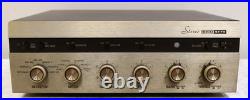
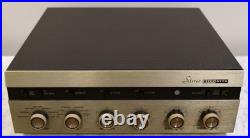
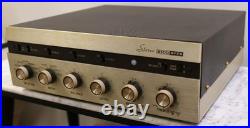
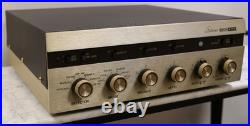
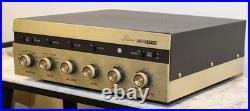
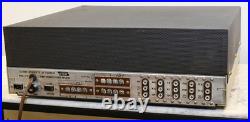
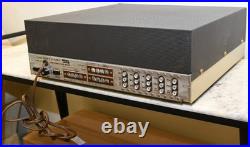
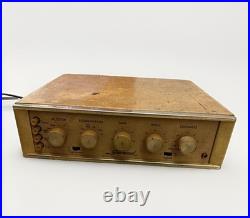
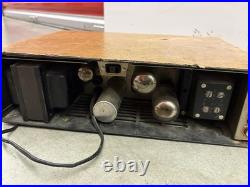
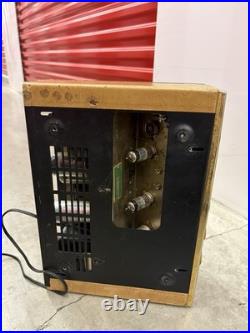
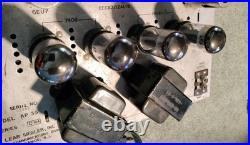
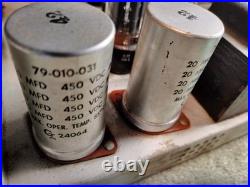
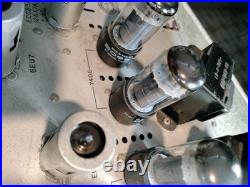
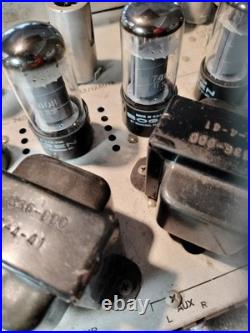
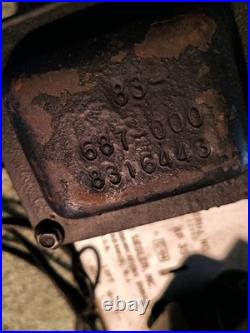
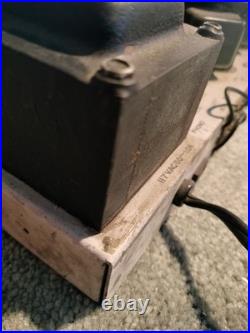
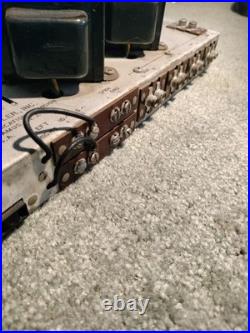
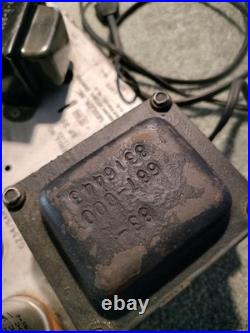
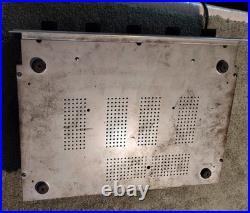
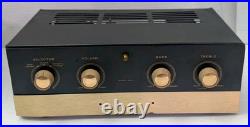
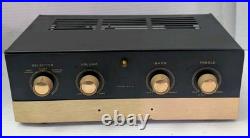
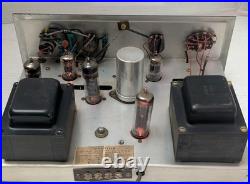
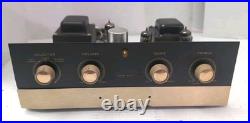
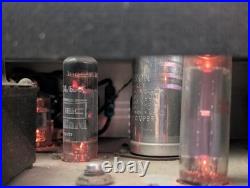
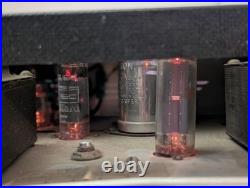
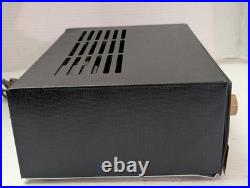
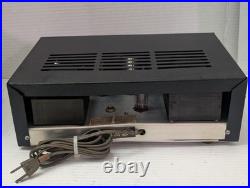
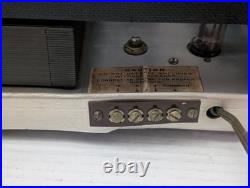
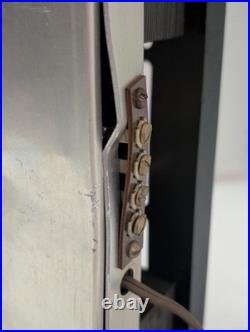
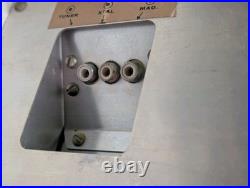
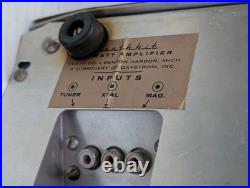
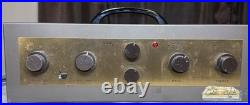
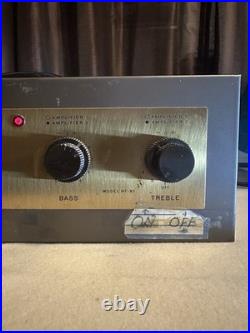
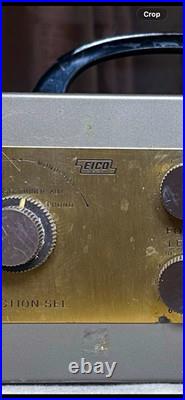
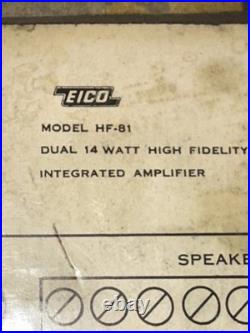
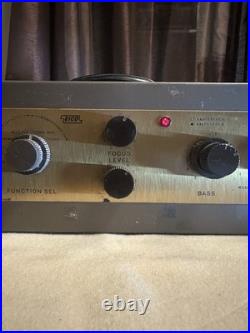
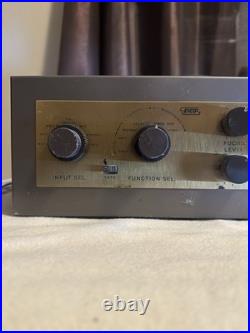
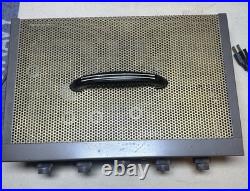
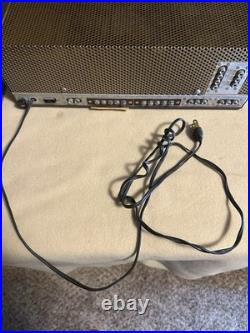
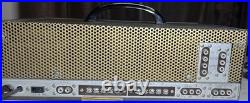
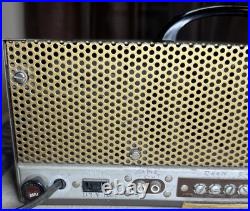
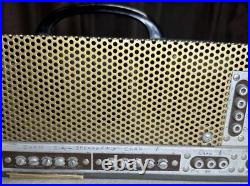
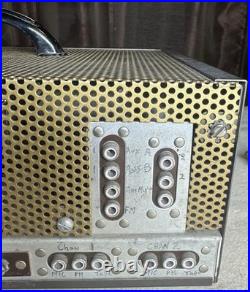
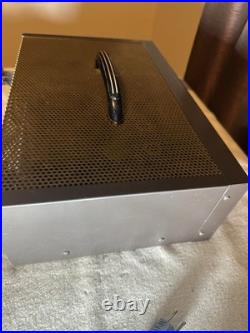
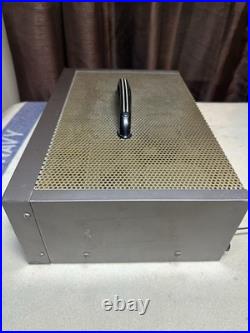
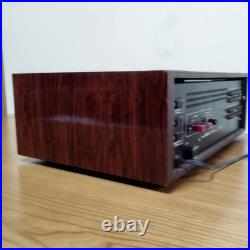
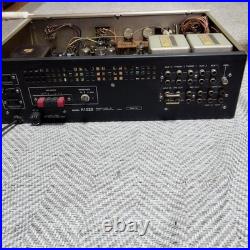
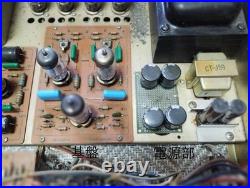
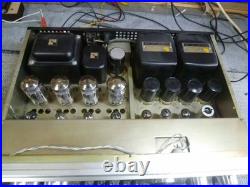
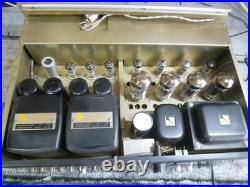
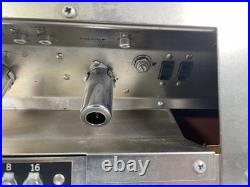
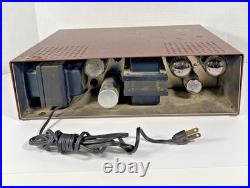
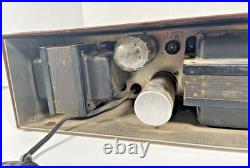
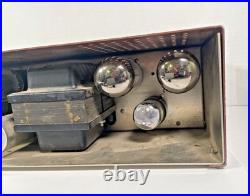
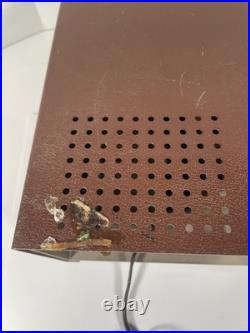
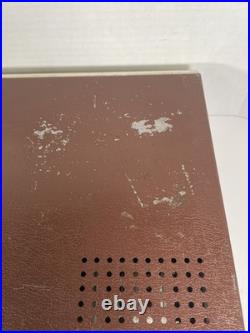
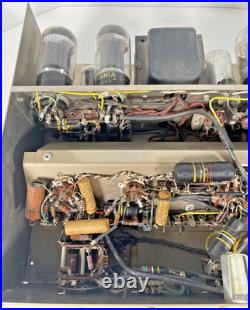
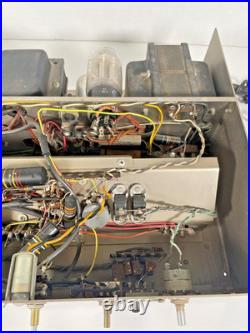
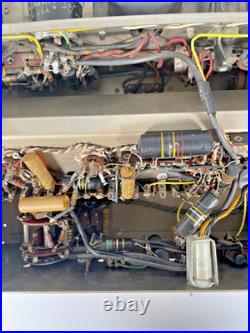
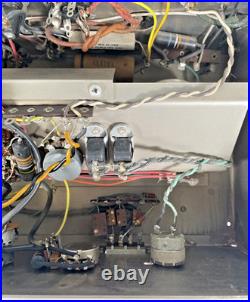
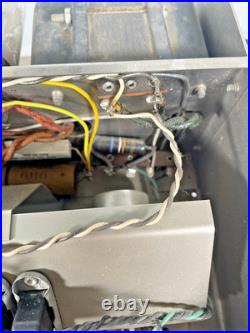
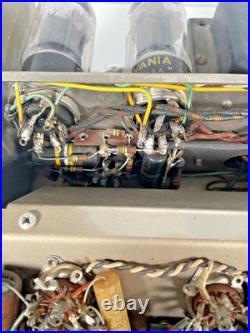
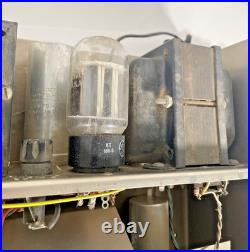
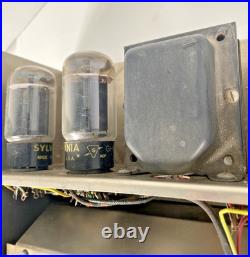
Eico ST70 Stereo Integrated Tube Amplifier. Is tube amp0 was recently rebuilt and has NOS tubes – everything works perfectly. Released in the early 1960s, this 70-watt (35 watts per channel) classic audio component is highly regarded by audiophiles for its warm tone and robust transformers.
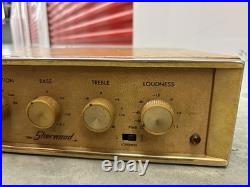
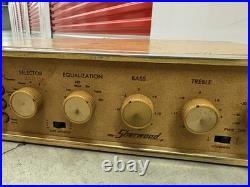
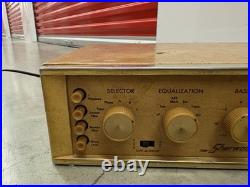
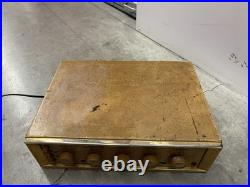
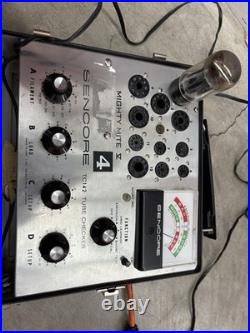
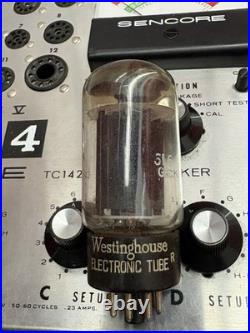
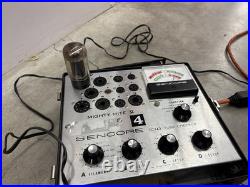
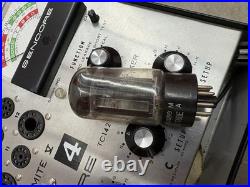
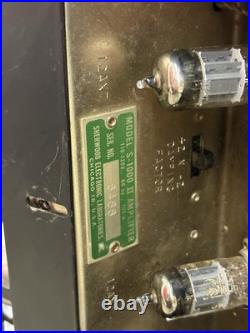
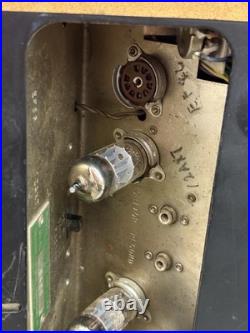
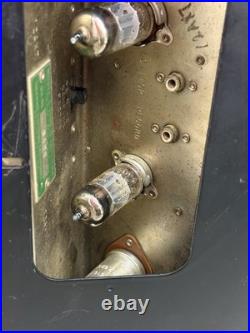
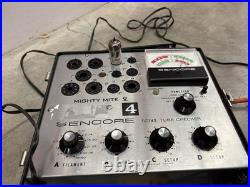
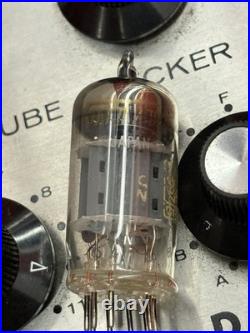
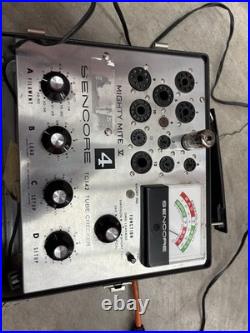
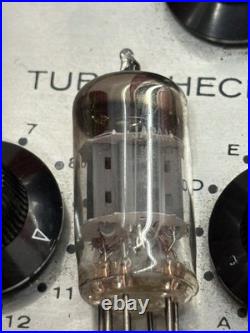
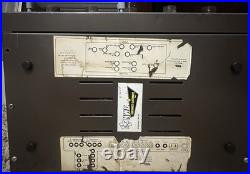
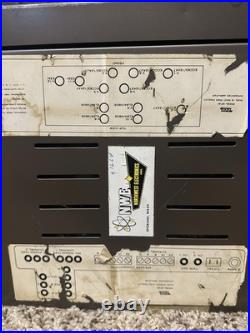
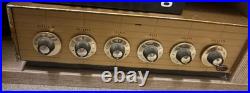
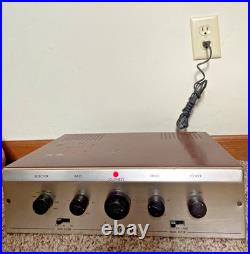
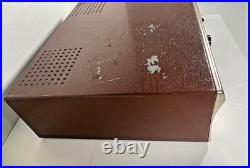
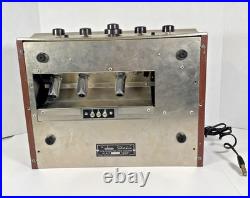
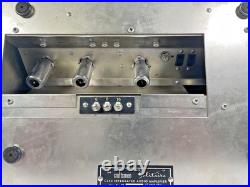
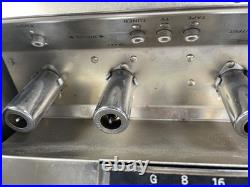
Please review all photos closely – they’re considered part of this listing’s description. Brand: Sherwood Electronic Laboratories, Inc. Model: S-1000 II Amplifier (mono integrated tube amp). Serial Number: 6488. Power: 110-120V, 60 Hz, rated 105W. Country of Manufacture: Made in USA. Controls: Selector (Phono A/B/C, Presence, Tape, Scratch Filter, Rumble Filter, Phono Level), Equalization (AES/RIAA/Lon/LP/Ewr/Tape/Mic), Bass, Treble, Loudness (with Loudness In/Out switch), Tape Monitor (Norm/Mon). Output taps: 4 / 8 / 16 ohm speaker terminals. Includes: Amplifier unit only. CONDITION – Untested (Not Powered), Tubes Individually Verified. Tubes were pulled and bench-tested on a Sencore TC142 tube checker: 6L6 tests at 85% emission (GOOD range); 12AX7 tests at 100% emission (GOOD range) – this confirms the tubes themselves are healthy, but does NOT confirm the amplifier circuit, transformers, or capacitors function correctly. Top panel shows significant cosmetic damage: multiple names/initials scratched into the metal finish, plus general scuffing and scratching across the top surface – see photos closely, this is more than typical surface wear. Control knobs show grime/wear consistent with age; front panel lettering and chrome trim otherwise legible and intact. Not inspected for capacitor condition, cord integrity, or continuity beyond the tube bench tests described above. This is tube-era, mains-connected equipment that has not been powered on or serviced. Internal capacitors likely need replacement before use, and high voltages are present inside the chassis once powered. Strongly recommend a full inspection, cap job, and cord check by a qualified tech before first power-up – do not simply plug this in. Model: S-1000 II. Type: Integrated Tube Amplifier (mono). Condition: Used – Untested (Not Powered), Tubes Bench-Verified Good. Country/Region of Manufacture: United States. Items made in America are tariff exempt. Questions welcome before purchasing. Photos are part of the description, please inspect closely. We do our best to accurately photograph the item. Claude AI and Gemini are use to help develop listings. The listing is reviewed by a human to ensure accuracy. However, mistakes are still possible. If you believe there is a mistake or wish to confirm a detail, please send me a message and you will get a reply from a real human! Thank you for purchasing with us!
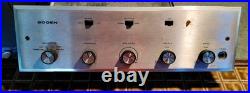
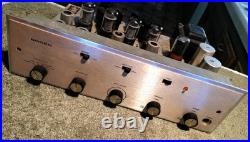
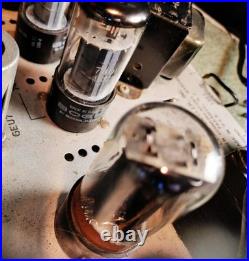
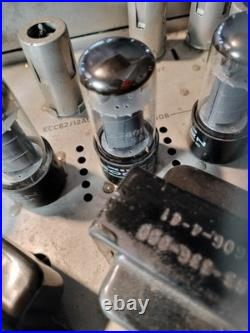
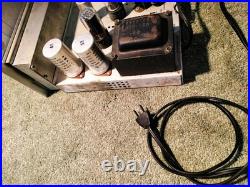
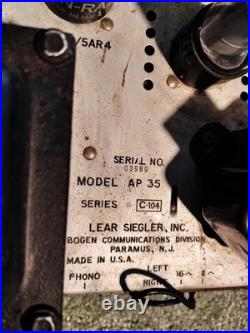
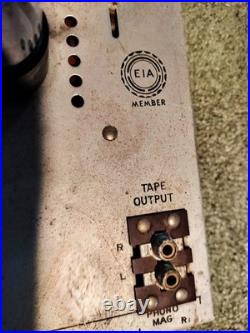
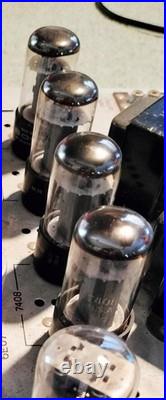
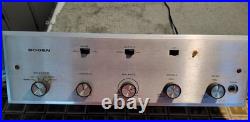
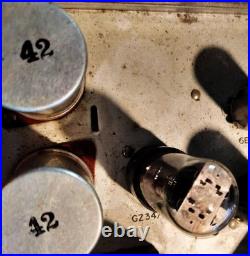
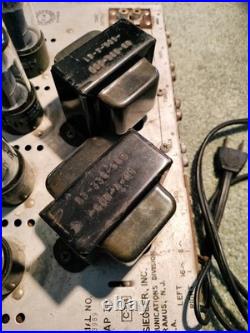
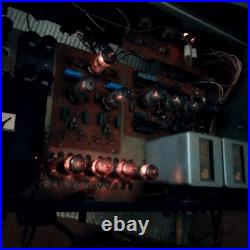
Vintage BOGEN stereo tube amp. Powered on briefly a few years ago. The pilot light and tubes glowed as expected. No further testing done. Has not been plugged in for at least 4 years. Will be well packed, tubes individually wrapped.
The Vintage Heathkit EA-2 Mono Tube Integrated Amplifier is a classic piece of audio equipment from the United States, known for its high-fidelity sound quality and vintage charm. With a power output of 12 watts, this amplifier is perfect for audiophiles looking to add a touch of retro authenticity to their collection. The Heathkit brand is well-known for their quality electronic products, making this unit a desirable choice for collectors or hobbyists interested in repairing or restoring vintage audio equipment. The tubes all lit up and did not do any further testing. The item has some dents on the case please see pictures for details. (Extra Space Storage #3).
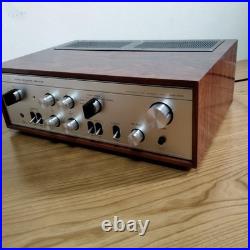
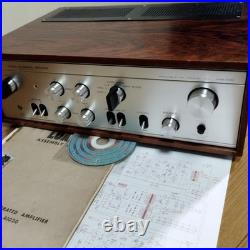
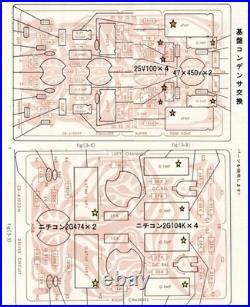
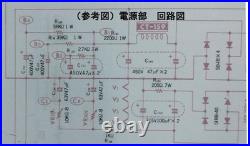
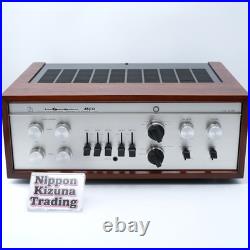
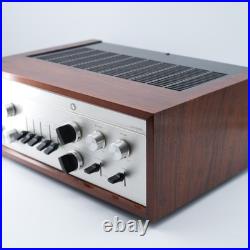
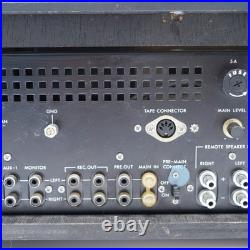
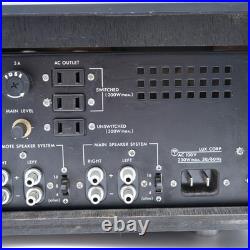
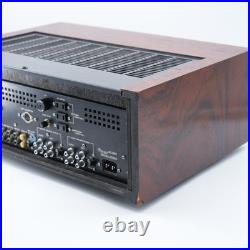
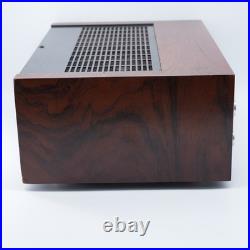
LUX KIT A1020 Tube Integrated Amplifier Tested Manual Vintage Japan 6RA8 PP. Highly regarded among audiophiles, it delivers the warm, natural sound that vintage Japanese vacuum tube amplifiers are famous for. This amplifier was originally assembled approximately 50 years ago and has recently been inspected, serviced, adjusted, and tested for proper operation. Maintenance & Restoration Several electrolytic capacitors have been replaced to improve long-term reliability. Replaced Components Power supply electrolytic capacitors Rubicon 450V capacitors Nichicon electrolytic capacitors Additional power supply capacitors (see photos) The original multi-section capacitor has been replaced using modern individual capacitors. Repairs Performed Function selector knob repaired Mode selector knob repaired Wooden cabinet refinished with fresh clear coating Please note that adhesive was used during the selector knob repair, therefore the knobs should not be removed. International Buyers – Please Note. The price you see is the final amount.
Hello and thanks for looking! Here I have for sale a still in great shape Olson tubed integrated amp. It definitely works great and passes audio… A pro tech went through it last year. These vintage tube units are known for delivering rich, warm tube goodness to frankly just about anything… Especially many cold sterile digital platforms we use today! Have become pretty difficult to find in great working order. THE PICTURE IS AS IMPORTANT AS THE DESCRIPTION! Thanks for your patronage!
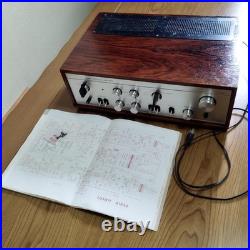
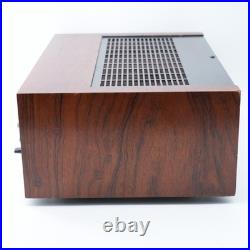
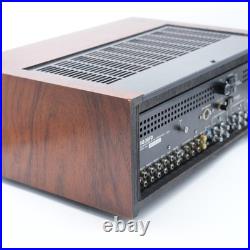
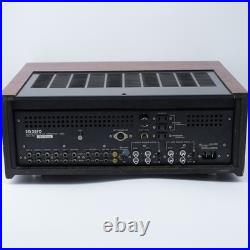
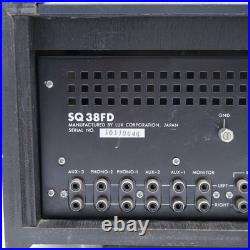
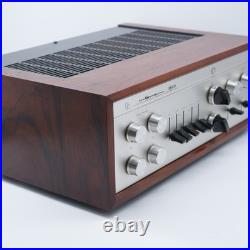
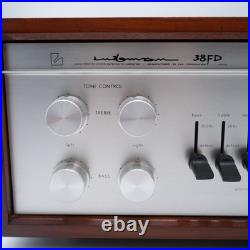
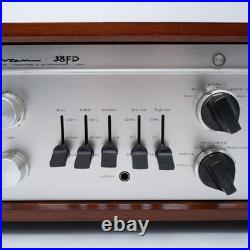
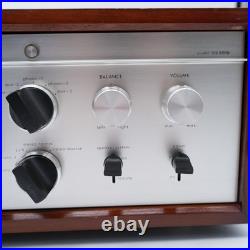
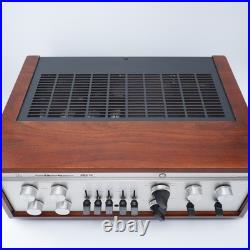
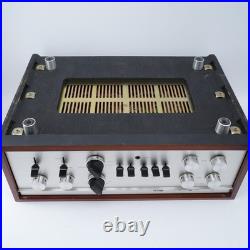
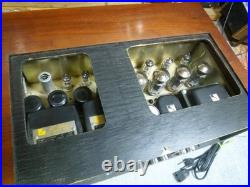
LUXMAN SQ38FD Tube Integrated Amplifier Vintage Hi-Fi Tested Working Japan. Looking for Other Amplifiers. We offer a wide selection of integrated amplifiers preamps and Hi-Fi audio equipment. LUXMAN SQ38FD vacuum tube integrated amplifier. Operation has been confirmed, and the unit is functioning properly. All rotary switches, volume controls, and balance controls operate smoothly with no significant static noise or switching shock during normal use. Contact points have been cleaned and treated for improved reliability. Tone controls and filter circuits were tested, and both audible performance and measured values were confirmed to be within proper specifications. The headphone circuit is also functioning normally. All RCA terminals and speaker output terminals are present with no looseness or instability. Please note that the PHONO circuit was not fully tested with an actual turntable setup, therefore subjective S/N performance and noise levels have not been confirmed. Basic measurements including S/N ratio, frequency response, input/output characteristics, distortion level, and maximum output were carried out, and no abnormalities were found. Stable operation was confirmed even under capacitive load conditions with no oscillation issues. The PHONO input was also checked using reverse RIAA measurement, and EQ deviation was found to be within acceptable range. This amplifier operates very stably and reflects the high-quality engineering and craftsmanship that LUXMAN is known for. The vacuum tubes consist of 50CA10 ×4, 6AQ8 ×2, 6267 ×2, and 12AX7 ×4. Tubes are a mixture of Matsushita-branded and LUXMAN-branded units. All tubes are low-noise types and were checked using a TV-7 tube tester, confirming practical usability and healthy operating condition. Most coupling capacitors are film capacitors. Random inspections of several components showed some aging in capacitance, insulation characteristics, and loss values, but nothing considered problematic for practical use. Some electrolytic capacitors, especially those exposed to high voltage, may benefit from preventive replacement during future maintenance. The amplifier is offered in its current condition. Please check the photos for details. Only the item shown in the photos is included. This classic LUXMAN tube amplifier delivers the warmth and musical richness that vintage audio enthusiasts appreciate. A beautifully engineered piece that can bring an authentic analog listening experience to any collection. This is a used item and may show signs of age. Please feel free to contact me anytime. Thank you for visiting my listing!
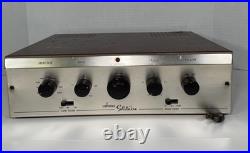
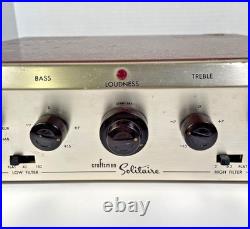
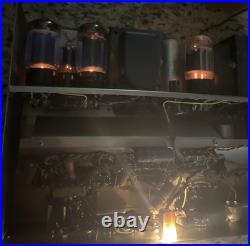
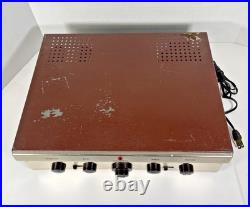
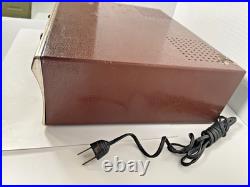
The Vintage Craftsmen Solitaire C250 Integrated Tube Audio Amplifier is a rare and collectible piece from the Radio Craftsmen brand. Made in the United States, this one-unit amplifier features integrated tube technology, providing a unique and classic sound for vintage audio enthusiasts. This item powers on with no hum. The tubes light up as noted in pictures. Signs of wear and age as noted in photos. Please see all photos for detailed item condition inside and out.