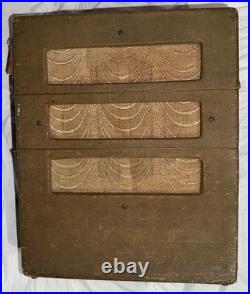
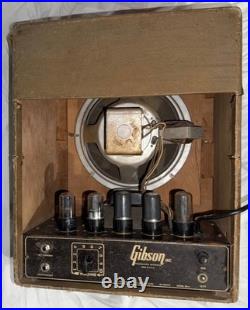
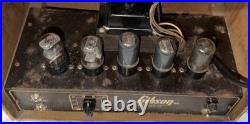
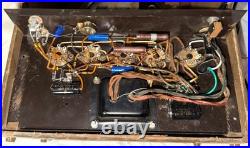
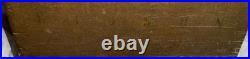
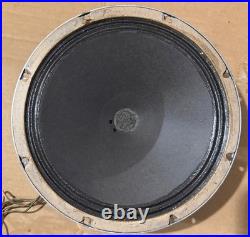
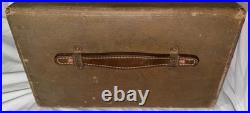
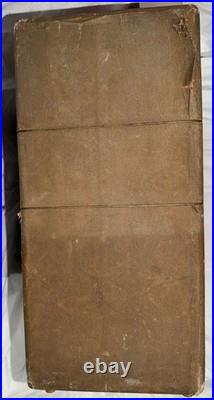
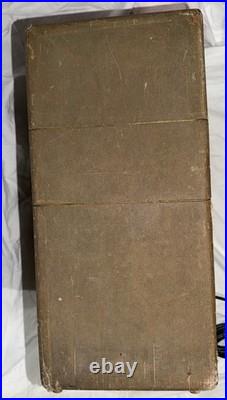
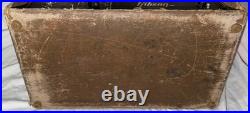
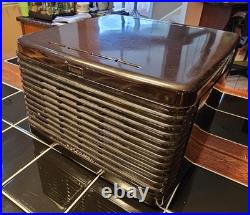
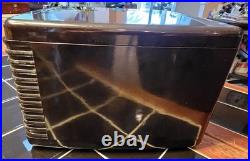
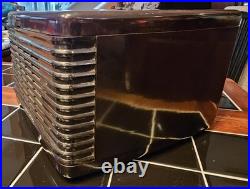
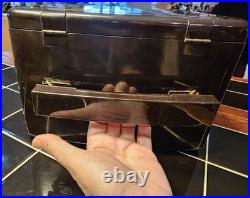
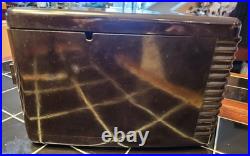
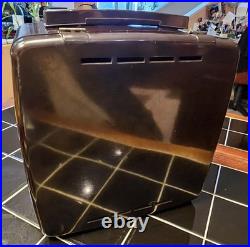
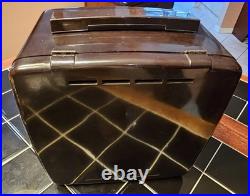
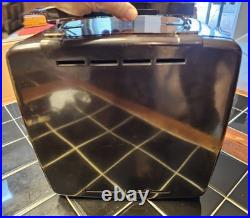
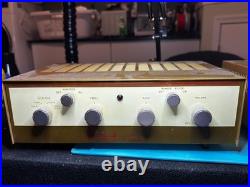
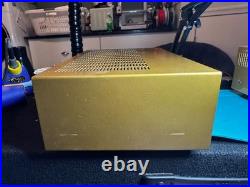
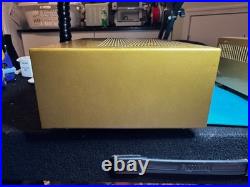
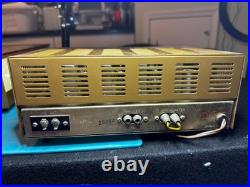
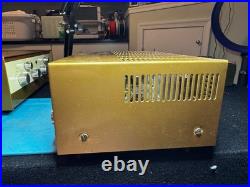
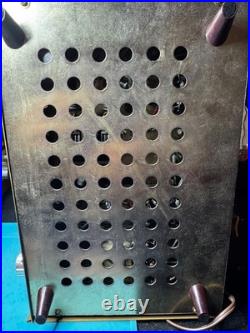
Here we have a beautiful 1947 Gibson BR6 amp. This is the much rarer 1st edition that was only made for a couple of years. This amp is in very nice shape considering it’s close to being 80 years old! Fully restored with the top notch parts! Plug and play ready! All of the caps have been replaced with Blue Sozos and F&T electrolytics. New Carbon comp resistors where necessary. 10 Rola field coil speaker is in great shape and sounds awesome! I had to replace the input jacks and the volume pot due to unusable originals, Switchcraft jacks and CTS pot. Mods to the circuit, I changed the volume pot to go after the first gain stage instead of coming right off the input jacks and I hooked up the input jacks to be a Fender style hi/lo configuration instead of both being the same. High is the top, low on bottom. Tubes are all high testing vintage-Sylvania JAN CHS 6SL7GT, Sylvania 6SN7GT, two Sylvania 6V6GTs and RCA 5Y3GT. I think all of the tubes but the 6SL7 are the original tubes. The 6V6s are 2mA apart in circuit. Here’s your chance to get a true classic! Video is of last one of these I did the same way for reference.
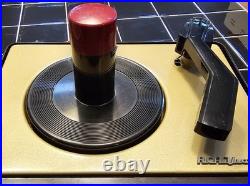
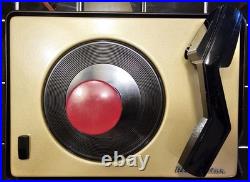
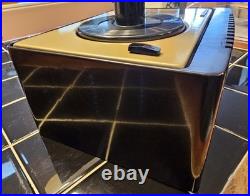
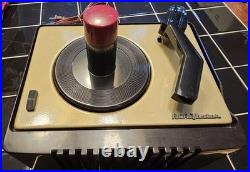
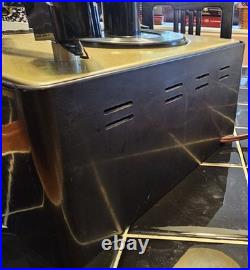
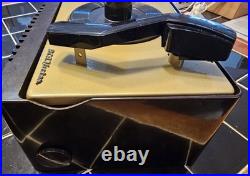
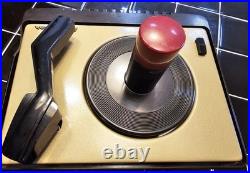
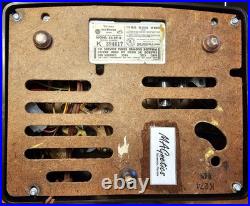
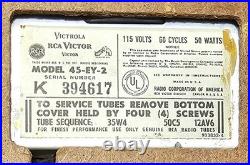
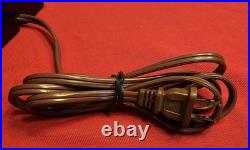
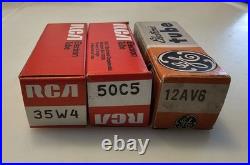
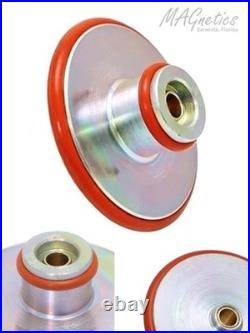
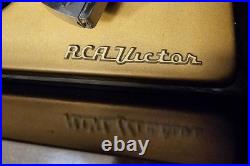
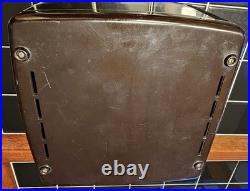
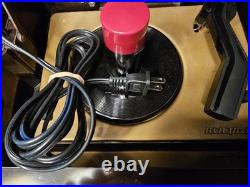
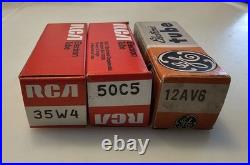
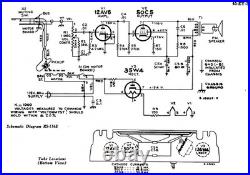
This listing is for a vintage RCA 45-EY-2 automatic 45 RPM record changer (RP-190) with an internal 3 tube audio amplifier (RS-138) that has been professionally MAGnetics. Audio restored; cosmetically, mechanically, and electronically. It looks and functions just like it did over 70 years ago but includes many upgrades and improvements to the original design. Most significantly, the phono cartridge has been upgraded from an obsolete, heavy crystal type to a modern, lighter ceramic type requiring less vertical tracking force (VTF) and includes a modern diamond stylus to improve sound and preserve your records. This also lets you play newer stereo 45 RPM records from the 1970s to 2000s (played monaurally) as well as older mono 45 RPM records from the 1950s & 60s like the original 45-EY-2 did. This restoration included the following. Disassembled RP-190 chassis and inspected, cleaned, adjusted, and lubricated all parts requiring it. Replaced the dried out and hardened rubber tire on the Cycling Cam with a new one. Replaced the old Idler Wheel with a new machined aluminum Idler Wheel with neoprene tires (See photo). Rebuilt motor; Disassembled, cleaned, lubricated and tested. Installed new Motor Mounts. Cleaned and polished all exterior surfaces of the Turntable and Tonearm. The RP-190 chassis was stripped and painted to closely match the original OEM finish. Disassembled the turntable spindle nose cap, removed and cleaned the record drop and separator mechanism, and tested after reassembly. Removed Tonearm and replaced old tone wire set with new modern wire set. Replaced the old crystal phono cartridge with a new modern ceramic cartridge, including a 0.07 elliptical diamond tip stylus. Adjusted cartridge mount for correct vertical tracking angle (VTA), as well as adjusting stylus clearance for maximum record changer capacity. Cleaned, lubricated and reassembled the RP-190 chassis. Adjusted and tested record-changing operation, including Tonearm lift height, and Tonearm positioning for correct record starting and ending (runout recycling trip). Cleaned and polished the Bakelite cabinet. A single, chip exists on the top right side (see photos). Restored internal audio tube amplifier. Replaced vacuum tubes with new old stock (NOS) tubes. I nstalled a new safety polarized power cord. Replaced all old paper and electrolytic capacitors with modern tone capacitors. Replaced existing resistors with modern replacements. Tested other electronic components to verify they met RCA’s original specifications. Cleaned amplifier chassis and used “DeoxIt D5″ on volume control. Bench tested amplifier performance using signal generator, oscilloscope & distortion analyzer. Test operated amplifier for over 4 hours to “burn in” tubes and verify proper tube biasing. Installed the completed RS-138 tube amplifier and RP-190 record changer chassis into the case and conducted final testing of the completed RCA Model 45-EY-2. Fine-tuned the mechanicals and played over 50 records on it while monitoring sound quality, record cycling operation, reject lever, and tonearm movement (see video). Everything works flawlessly and it works better than new, because of all the upgrades like the aluminum idler wheel that is machined round to a very high tolerance level, the modern tone capacitors, and improved phono cartridge. General Specifications of an RCA 45-EY-2 Record Changer. The RCA 45-EY-2 is an iconic 1950s Bakelite-cased record changer and audio amplifier designed exclusively for 7-inch 45 RPM records. It is a “mechanical marvel” recognized for its lightning-fast, automatic changing of up to 12 stacked records. The 45-EY-2 is a stand-alone player that requires no connections to external equipment. It just needs to be plugged into an AC wall outlet. It is a record changer, not just a player; it uses a large central spindle to stack and automatically drop up to 12 records, featuring a notably fast, mechanical changing cycle. Features a simple, single knob start/reject function. Without an automatic stop, the last record on the stack will repeat indefinitely until the tonearm is manually lifted from the record. Volume is controlled via a single knob located on the lower right side of cabinet. RS-138 audio amplifier contains the following vacuum tube types: 35W4, 50C5, and 12AV6. The RCA 45-EY-2 record changer is a self-contained portable unit with a footprint measuring 8-1/2″ x 10-3/4″ and a total height of 8-1/2 from the bottom of the cabinet to the top of the spindle.
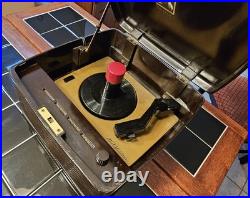
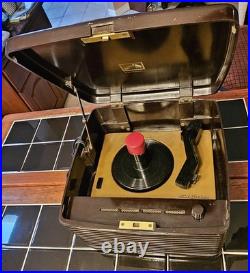
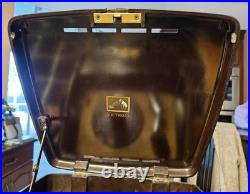
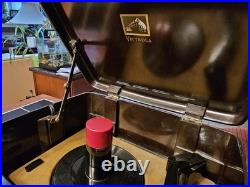
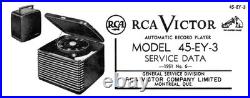
This listing is for a vintage RCA 45-EY-3 automatic 45 RPM record changer (RP-190) with an internal 3 tube audio amplifier (RS-136E) that has been professionally MAGnetics. Audio restored; cosmetically, mechanically, and electronically. It looks and functions just like it did over 70 years ago but includes many upgrades and improvements to the original design. Most significantly, the phono cartridge has been upgraded from an obsolete, heavy crystal type to a modern, lighter ceramic type requiring less vertical tracking force (VTF) and includes a modern diamond stylus to improve sound and preserve your records. This also lets you play newer stereo 45 RPM records from the 1970s to 2000s (played monaurally) as well as older mono 45 RPM records from the 1950s & 60s like the original 45-EY-3 did. This restoration entailed the following. Disassembled RP-190 chassis and inspected, cleaned, adjusted, and lubricated all parts requiring it. Replaced the dried out and hardened rubber tire on the Cycling Cam with a new one. Replaced the old Idler Wheel with a new machined aluminum Idler Wheel with neoprene tires. Rebuilt motor; Disassembled, cleaned, lubricated and tested. Installed new Motor Mounts. Cleaned and polished all exterior surfaces of the Turntable and Tonearm without repainting the RP-190 chassis to maintain original vintage appearance and patina. Disassembled the turntable spindle nose cap, removed and cleaned the record drop and separator mechanism, and tested after reassembly. Removed Tonearm and replaced old tone wire set with new modern wire set. Replaced the old crystal phono cartridge with a new modern ceramic cartridge, including a 0.07 elliptical diamond tip stylus. Adjusted cartridge mount for correct vertical tracking angle (VTA), as well as adjusting stylus clearance for maximum record changer capacity. Cleaned, lubricated and reassembled the RP-190 chassis. Adjusted and tested record-changing operation, including Tonearm lift height, and Tonearm positioning for correct record starting and ending (runout recycling trip). Cleaned and polished the Bakelite cabinet. Restored internal audio tube amplifier (RS-168E). Replaced vacuum tubes with new old stock (NOS) tubes. I nstalled a new safety polarized power cord. Replaced all old paper capacitors with modern tone capacitors. Tested and replaced any resistors or other electronic components that were out of specifications. Cleaned amplifier chassis and used “DeoxIt D5″ on volume control. Bench tested amplifier performance using signal generator, oscilloscope & distortion analyzer. Test operated amplifier for over 4 hours to “burn in” tubes and verify proper tube biasing. Installed the completed RS-136E tube amplifier and RP-190 record changer chassis into the case and conducted final testing of the completed RCA Model 45-EY-3. Fine-tuned the mechanicals and played over 50 records on it while monitoring sound quality, record cycling operation, reject lever, and tonearm movement (see video). Everything works flawlessly and it works better than new, because of all the upgrades like the aluminum idler wheel that is machined round to a very high tolerance level, the modern tone capacitors, and improved phono cartridge. General Specifications of an RCA 45-EY-3 Record Changer. The RCA 45-EY-3 is an iconic 1950s Bakelite “Suitcase” type portable record changer and audio amplifier designed exclusively for 7-inch 45 RPM records. It is a “mechanical marvel” recognized for its lightning-fast, automatic changing of up to 12 stacked records. The 45-EY-3 is a stand-alone player that requires no connections to external equipment. It just needs to be plugged into an AC wall outlet. It is a record changer, not just a player; it uses a large central spindle to stack and automatically drop up to 12 records, featuring a notably fast, mechanical changing cycle. Features a simple, single knob start/reject function. Without an automatic stop, the last record on the stack will repeat indefinitely until the tonearm is manually lifted from the record. Volume is controlled via a single knob located underneath the top cover of the Bakelite cabinet. RS-136E audio amplifier contains the following vacuum tube types: 35W4, 50C5, and 12AV6. The RCA 45-EY-3 record changer is a self-contained portable suitcase style unit with a footprint measuring 11-1/2″ x 11-1/2″ and a total height of 7-1/2″ from the bottom of the cabinet to the top of the cover when closed and 16-1/2″ when open.
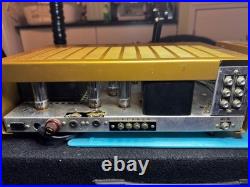
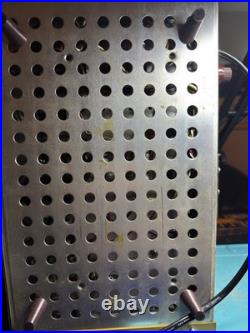
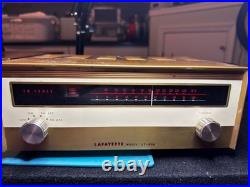
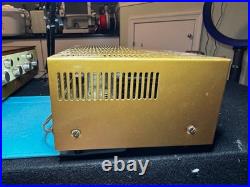
For sale is a matching vintage Lafayette tube audio pair consisting of an LT-80A FM tuner and LA-55 mono integrated amplifier. Both units have been fully restored, serviced, and tested. They are operating properly and sound excellent. The LT-80A has strong FM sensitivity and receives weaker stations well, even with a very basic antenna. The AFC functions correctly and keeps stations locked in once the tuner has warmed up. As is typical with vintage tube FM equipment, there may be a small amount of warm-up drift with AFC switched off. The LA-55 amplifier plays clearly and strongly with no significant hum or operational issues. Controls, switches, and functions have been checked. Cosmetically, both pieces are in nice overall condition for their age. They present well as a matching set, though they are not museum-perfect and show some normal age-related wear. Please review the photos carefully for exact cosmetic condition. This is a great opportunity to own a restored matching Lafayette tube tuner and amplifier set that is ready to use, rather than an untested project.
Vintage The Fisher 55-A Tube Mono Block Amplifiers Set Of 2 Restored Rare. This wonderful pair of 1950s mono block amplifiers were just restored by my tech at Voorslag Audio in Providence, RI and are performing up to spec. They are very well known for their excellent work on vintage hifi gear. You don’t see a pair of these amps come around very often. Message me with any questions. Fully restored and gone over, all tubes tested and faulty components properly replaced and all bad connections buttoned up, all tubes tested and in green. Plenty of test hours ran on them and they sound terrific.
Heathkit AA-21D Stereo Germanium Solid-State Amplifier – Fully Restored, Excellent Working Condition. This Heathkit AA-21D stereo germanium solid-state amplifier is an increasingly rare piece of vintage audio history-especially in this condition. A great opportunity to add a properly restored classic to a serious vintage audio collection. The amplifier has been completely restored internally and is in 100% working order. All electrolytic capacitors replaced with modern, high-quality audio-grade units. All carbon composition resistors replaced with modern metal-film resistors. Output power transistors replaced with a matched set of New Old Stock (NOS) germanium devices. Original germanium transistors are now quite rare and often noisy; this matched set performs exceptionally well. Original power cord replaced with a modern 3-prong grounded cord for improved safety. Current limiter installed to reduce wear on the main power switch. Dial and indicator lamps replaced. All controls, switches, and potentiometers cleaned for quiet, noise-free operation. The unit has been thoroughly cleaned but does show honest signs of age. Cabinet is structurally solid. Scratches and visible cosmetic wear are present (please see photos for details). Printed copy of the schematic included. Tested for approximately 2 hours paired with AR-3a speakers. Please feel free to reach out with any questions or to request additional photos.
Beautiful 1961 Bogen Challenger CHA-10 Vintage amplifier. Completely restored plug and play ready! Glorious single ended 6L6 sound! Think way louder Fender Princeton. Amp is mostly stock with a few useful mods. The tone switch has been changed to way more useful tweed Fender tone pot circuit. The phono pot is now a master volume. 1/4 input and speaker out jacks. 4, 8 and 16 ohm outputs. I added a 3 prong power cord and fuse for safety. Still has the original hang tag from the power cord! All original high testing Bogen tubes-6AV6 (Blackburn Mullard), 6AU6 (RCA), 6L6GC (GE) and EZ81 (Blackburn Mullard). I haven’t done one of these for awhile, so video is of one I did while ago the same way so you can hear how it sounds.
Perfectly restored and optimized McIntosh MC240. NOS RCA 6L6 tubes. Performance & tech verified and restored for top sound. Power capacitors and only necessary’leaky’ capacitors changed by a certified tech. Paper in oil capacitors used when appropriate by Aerovox and Duelund! Input RCA’s changed to CMC high copper input jacks, Twin Amp (dual mono volume controls) only for top performance and sound. Recently checked for balance, performance and all voltages see tech picture of vanishing distortion! This got all the treatment like a classic car, and far more time and tech and NOS tubes used when appropriate to get this sounding top notch. An amazing’endgame’ classic as used by Brian Wilson on Pet Sounds.
Console pulled The Fisher 460A vintage EL84 tube amplifier approx late 1950′s or early 1960s (See label and serial number in photos). This amp has been fully restored electronically w/ modern capacitors + modifications to account for fact that stereo tuner is no longer present in the console, thus a bias resistor modification is made to properly bias the tubes (See 20 watt gold power resistor mounted to underside chassis). All capacitors and components are top quality such as Nichicon electrolytic and classic “Orange Drop” coupling caps, etc. The original top-side “MULTI-CAN” large capacitors were left in-place for vintage aesthetics while all new capacitors for the DC tube supply voltages were built into the underside as shown in the photos. New rectifier diodes were also installed as shown. A thermistor was added to the A/C input side to soften start-up current surge to the tubes and also add slight voltage drop to account for higher line voltages in today’s homes. The tubes are (2) Sovtek EL84 + (2) Russian 6P14P (EL84) for the power output + (2) 7247 for input stage : The amp, since it hadn’t been run in a while was “burned in” on the bench for approx 2 hours and ran perfect. I re-checked the bias and supply voltages and everything was in-spec. No hum, no sound issues – it’s running great. I will include a marked-up schematic and an original un-marked schematic to show the modification(s) and resistor values performed and needed to make these Fisher console amps run properly in stand-alone mode as was done to this one. An ON/OFF power switch was added (it appears the green LED light in it is out, but does not affect the power switch function). There is also a custom mesh steel plate bottom w/ plastic feet that was added allowing proper ventilation to keep the tubes running cooler. The bottom plate is steel – I left it un-painted as a new owner may want to paint it a custom color or build a wood case for the amp etc and thus it shows a bit of light surface rust as it’s not coated at this point. This amplifier is intended for a vintage tube amp collector or similar who is fully aware of what they are looking at in the photos and how to safely handle a tube amplifier if they remove the bottom cover etc as dangerous voltages are present.